
Fort Worth Local
Fence Installation in Fort Worth
Wood, vinyl, chain link, and more, Quincey handles it personally, start to finish.
Call or text (347) 805-7246Request an estimate
Tell us what you need
Fort Worth Fence Installation, Done Straight
Fence installation in Fort Worth is what DreamHouse Handyman does throughout Fort Worth and Tarrant County, wood privacy fences, vinyl panels, chain link, and ornamental metal. If you need a fence installed in Fort Worth and want the person who answers the phone to also be the person swinging the post-hole digger, call Quincey directly at (347) 805-7246. No crews, no subcontractors, no foreman you've never met showing up instead.
Cost on a fence job depends on a few things that really swing the number: linear footage, material choice, terrain (rocky soil takes more time than sandy loam), whether the old fence needs to come down first, and whether you're adding a gate. Wood privacy fencing and vinyl typically run higher than chain link on a per-foot basis, and ornamental iron or metal sits at the top end. Every job is different, contact DreamHouse Handyman for an accurate estimate. What doesn't change is the process: before any post goes in, Quincey marks property lines, calls Texas 811 to locate underground utilities, and talks through HOA requirements if your neighborhood has them. That prep is what keeps a fence from becoming a legal problem after the fact.
Fence Types Quincey Installs
One contractor, multiple materials, pick what fits your property and budget.
Wood Privacy Fence
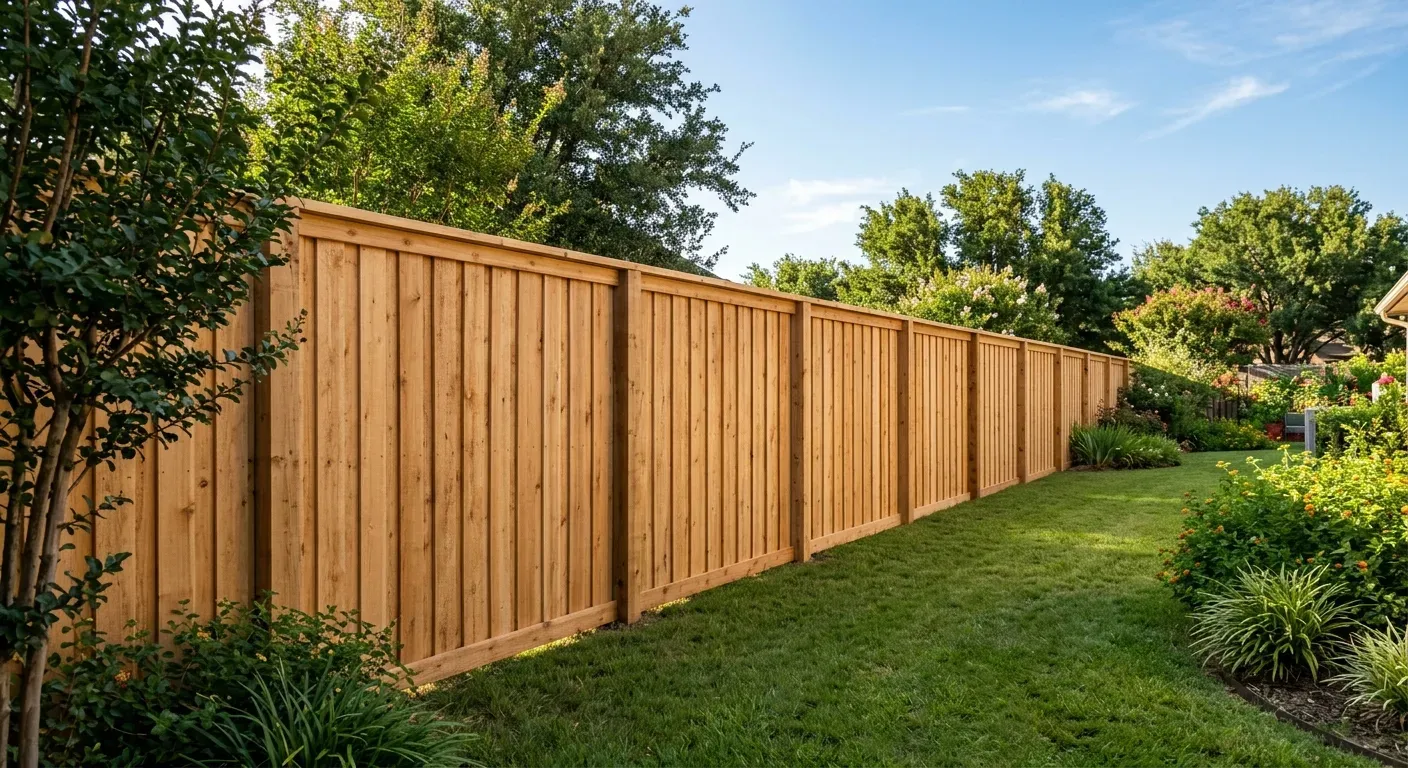
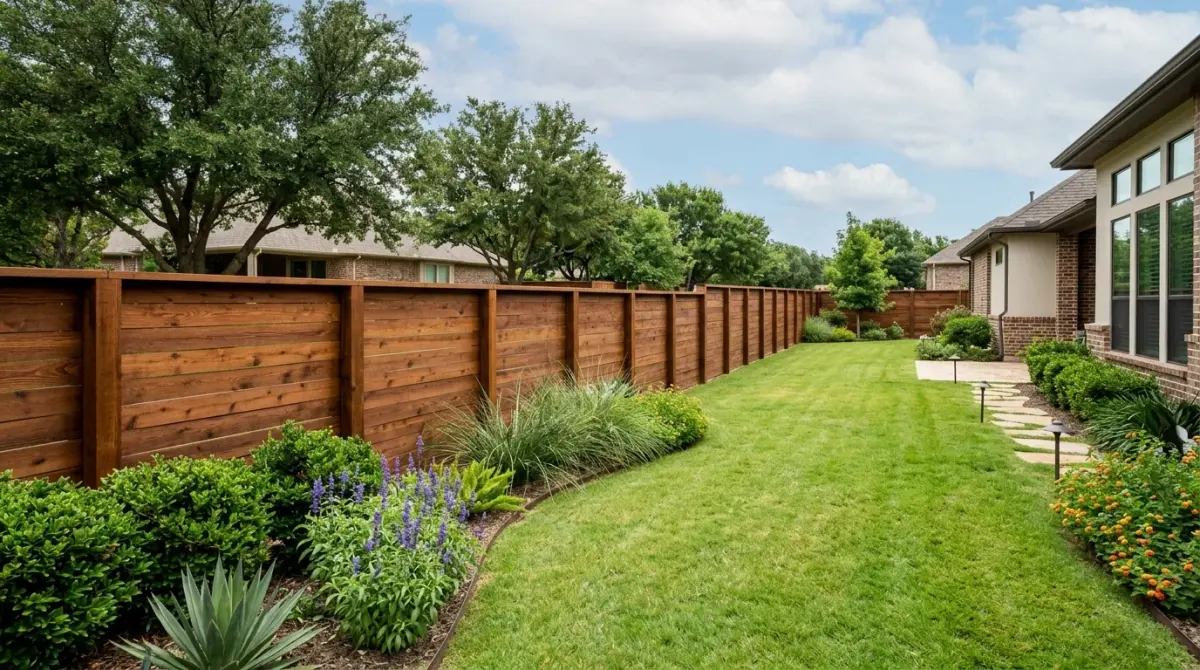
Cedar and treated pine are the go-to choices in Fort Worth. Board-on-board and shadowbox styles both give you full privacy while letting air move through, which matters in a Texas summer. Standard height is 6 feet for backyard privacy; front yards typically cap at 4 feet in most HOA guidelines. Wood needs staining or sealing every 2-3 years to hold up against the heat and humidity cycles this climate throws at it.
Vinyl Fence
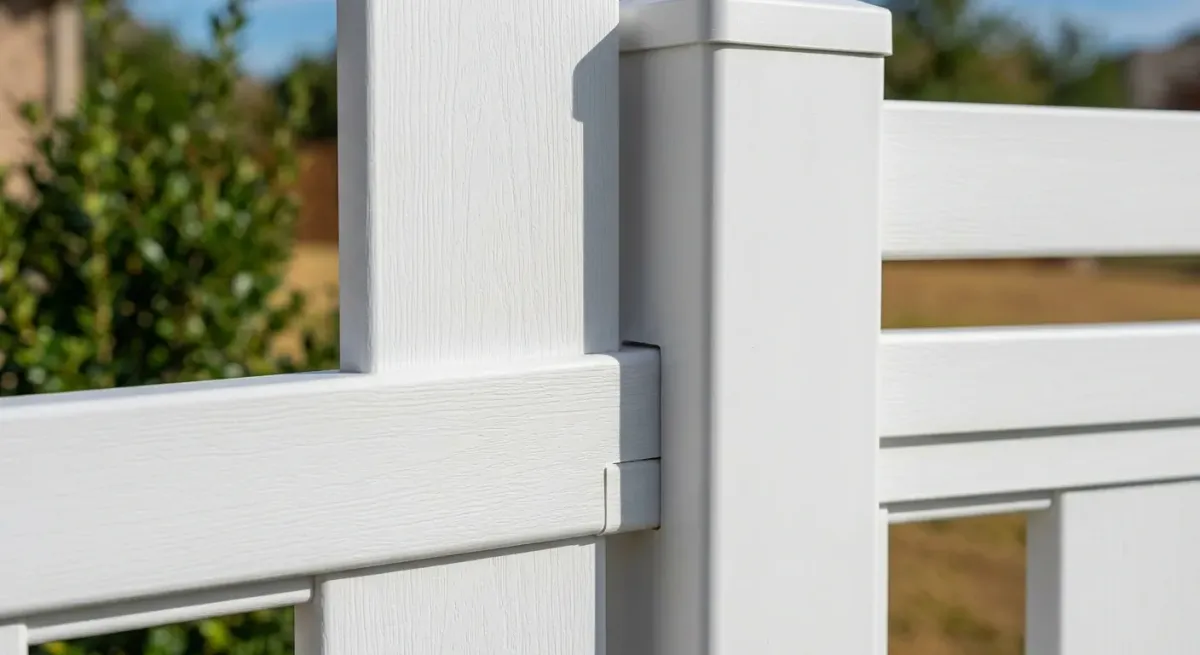
Low maintenance is the main sell on vinyl, no rot, no painting, and it holds color without fading badly for a decade or more. The tradeoff: in hard Texas freezes, vinyl can get brittle and crack under impact. It also costs more upfront than wood. If your HOA requires a uniform look across the neighborhood, vinyl panels are often the approved option in newer Fort Worth developments near the Alliance corridor.
Chain Link
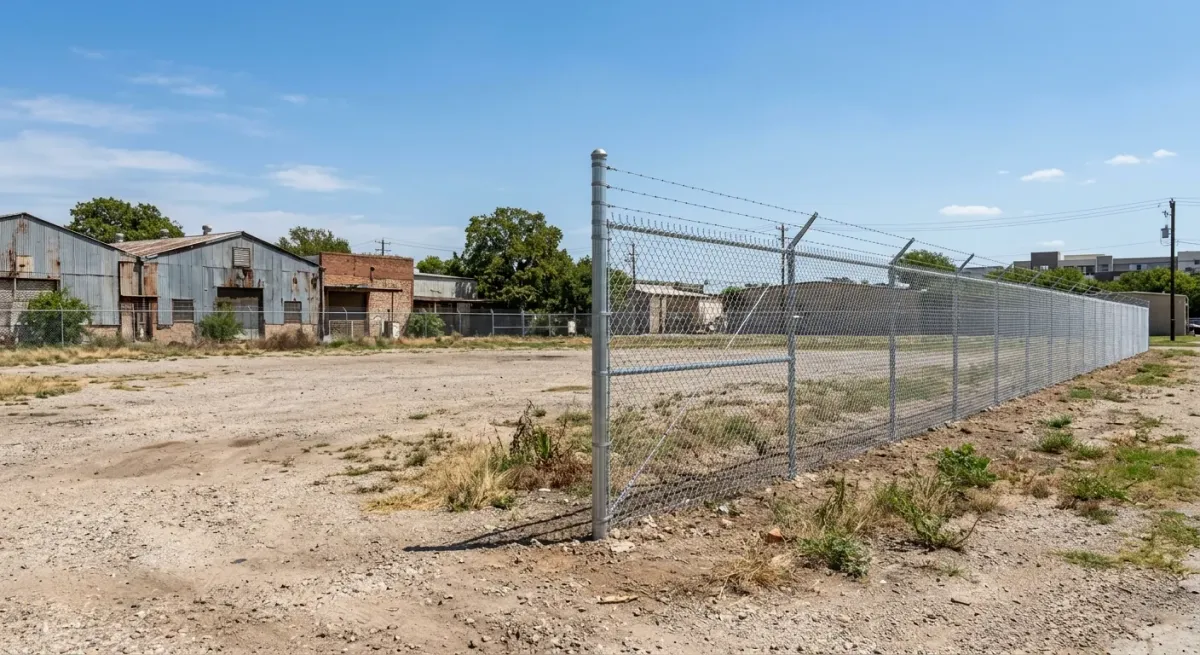
Chain link isn't pretty, but it's durable, transparent enough that it doesn't block sightlines, and it's the most affordable option per linear foot. Good for dog runs, side yards, and property line definition where privacy isn't the goal. Galvanized chain link holds up well in Tarrant County's climate without rusting out the way cheaper coated options eventually do.
Ornamental Metal and Iron
Wrought iron and steel fencing adds a finished look that complements older Fort Worth neighborhoods like Fairmount and Ridglea Hills. It's the longest-lasting material if properly coated, and it doesn't warp or shrink the way wood does. Gates built from ornamental metal carry a lot of weight, so post-setting and concrete work matters more here than on any other fence type.
Fence Gates
A gate that sags six months after install is one of the most common complaints in this trade, usually because the post wasn't set deep enough or the hardware was undersized for the gate weight. Quincey builds gate posts heavier than the run posts and uses hardware rated for the gate's actual size. Walk-through, double-drive, and rolling gates all handled.
Old Fence Removal
Most fence jobs start with pulling out what's already there. Demo and haul-off can be quoted as part of the install or separately if you just need an old fence gone. Rotted posts set in concrete take longer to extract than posts that were driven, that affects the timeline and the quote, so mention it when you call.
BEFORE ANY POST GOES IN
Property Lines, Permits, and HOA Rules
HOW IT WORKS
The Installation Process, Step by Step
Site Prep and Layout
Property line confirmed, 811 utilities marked, layout string set. This is where mistakes get caught before they're expensive. A fence that's 6 inches off the line is still a fence in the wrong place.
Post Setting
Posts go in at the right depth for your soil type and fence height. Concrete or no concrete is a real debate: concrete holds better in sandy soils and for heavier fences, but it makes future post replacement harder. Quincey uses concrete on gate posts every time. On run posts, the right call depends on the material and the soil.
Panel or Board Install and Finish
Panels, boards, or chain link go up once the posts are set and plumb. Gates are hung last and adjusted for level and swing. If you're adding a deck construction project alongside the fence, those are easy to coordinate as one job.
Fort Worth Climate and What It Does to Your Fence
Quick Facts: What Texas Law Says About Fences
These are the rules most homeowners don't look up until there's a problem.
Permit Requirement
Fort Worth requires a permit for most residential fence installations. The threshold depends on fence height and location on the property. Front yard fences are scrutinized more heavily than backyard. Check with the city or let Quincey pull the applicable code for your specific address before work starts.
Height Limits
In most Fort Worth residential zones, backyard fences max out at 8 feet and front yard fences at 4 feet. HOA rules can set lower limits than city code, and city code always overrides HOA rules in the other direction. Know both before you pick a height.
Shared Fence Ownership
Texas follows the common-law rule: if a fence sits on the boundary line and benefits both properties, both owners share responsibility for it. That doesn't mean you're required to split the cost of a new fence you want. It means your neighbor has the right to object to placement on the shared line.
Neighbor Notification
Texas doesn't have a universal statute requiring you to notify neighbors before installing a fence, but local ordinances and HOA rules sometimes do. More importantly, failing to communicate is the number-one source of post-install disputes. The practical answer: tell your neighbor before work starts.
Underground Utility Locating
Texas law requires calling 811 before any digging. It's free, it's fast, and it protects you from liability if a utility line gets hit. No reputable fence contractor skips this step. If a quote comes back without mentioning it, that's a flag.
HOA Compliance
HOA rules in neighborhoods like Tanglewood, Summerfields, and Alliance-area developments can restrict material type, color, style, and height independently of city code. Violating HOA rules can require removal at your cost. Get written approval from your HOA before the fence goes in if you're in a governed community.
Start here
Get Your Fence Quoted: Call Quincey
One call, one contractor, one person accountable for how it comes out. Quincey handles fence installation across Fort Worth and Tarrant County, from Benbrook and Crowley to Haltom City and Saginaw. If you've got a deck construction project or other work lined up at the same time, that's worth mentioning, often those jobs run well together.
Call or text (347) 805-7246Mon: Closed
Or send it in writing
Three fields, thirty seconds
Common Fence Installation Questions
Not answered here?Ask Quincey: (347) 805-7246
Do I need a permit to install a fence in Fort Worth?
Should fence posts be set in concrete or not?
How tall can a backyard fence be in Fort Worth?
How do I know my property line before installing a fence?
What's the difference between board-on-board and shadowbox fence styles?
How much maintenance does a wood fence need in Fort Worth's climate?
In Texas, who is responsible for the fence between two properties?
In the field
A look at our work
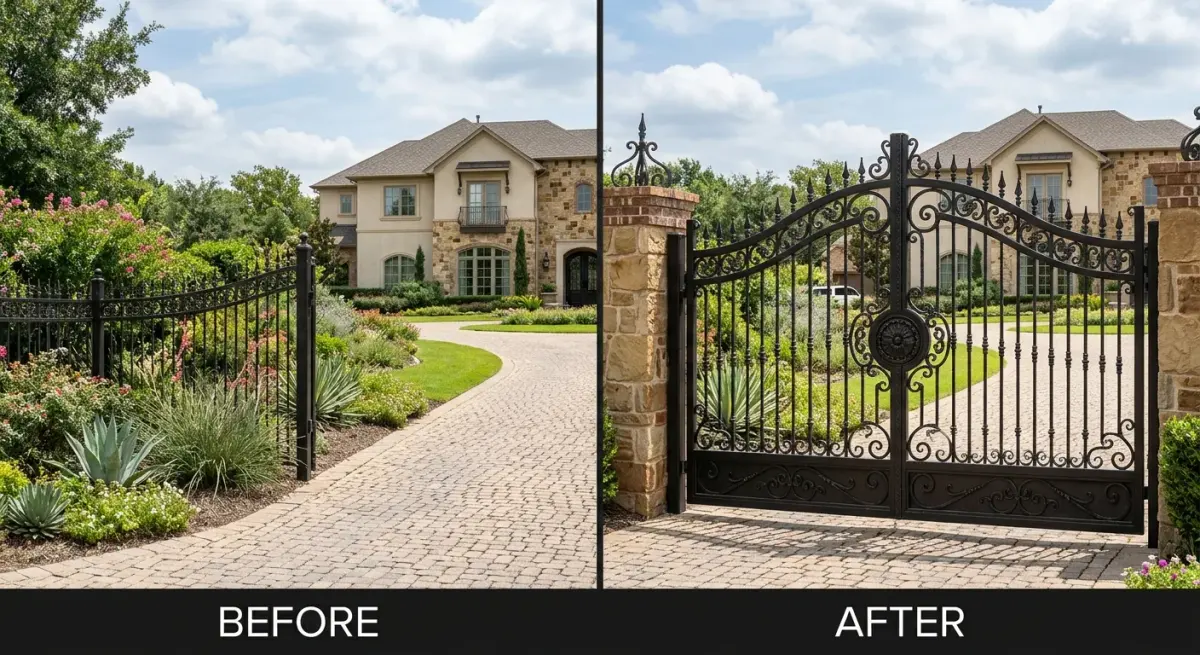
Fort Worth Fence Installation: Straight Posts, No Surprises
Quincey picks up the phone, shows up on time, and handles the job personally.
Next step
Tell us about the job
Your name, your number and what needs doing. A person from DreamHouse Handyman gets back to you.
Rather talk now?(347) 805-7246