
Fort Worth Local
Tile Work Installation in Fort Worth
Bathroom, kitchen, and floor tile installed by Quincey personally, no crews, no surprises.
Call or text (347) 805-7246Request an estimate
Tell us what you need
Fort Worth Tile Installation That Holds Up
DreamHouse Handyman handles tile work installation in Fort Worth for bathrooms, kitchens, showers, and floors, and Quincey does every job himself, start to finish. If you've been price-shopping tile installers and getting back estimates that feel disconnected from anyone who's actually touched a trowel, that's the gap this fills. Call (347) 805-7246 and you're talking to the person who'll be on your floor the day of the job.
What makes a tile job last isn't the tile. It's what's underneath it. Substrate prep, waterproofing in wet areas, proper mortar coverage, and grout that's sealed for North Texas conditions. Fort Worth's temperature swings and hard water put more stress on grout lines than most homeowners realize, and a job done without those fundamentals starts cracking or staining within a year or two. The scope of a tile project, square footage, substrate condition, material choice, whether you're doing a full shower surround versus a backsplash, is what drives the final cost. Every job is different, contact DreamHouse Handyman for an accurate estimate.
Every Tile Type Quincey Works With
The right material for the room matters more than the price tag on the box.
Ceramic Tile
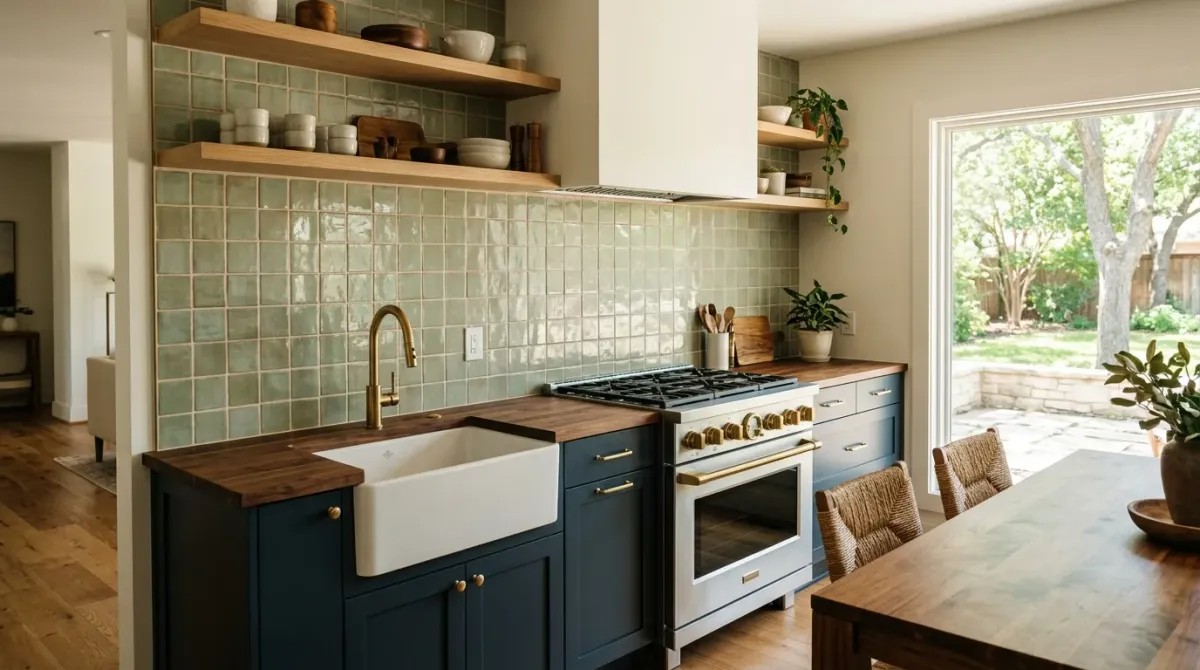
The most forgiving material for first-time tile projects and the most budget-friendly. Good for bathroom floors, kitchen backsplashes, and laundry rooms. Not the right call for heavy outdoor use or freeze-thaw cycles.
Porcelain Tile
Denser and harder than ceramic, with lower water absorption. That's why it performs better in showers and on exterior-adjacent surfaces in the DFW climate. Heavier to work with, but it earns its cost on a shower floor.
Natural Stone
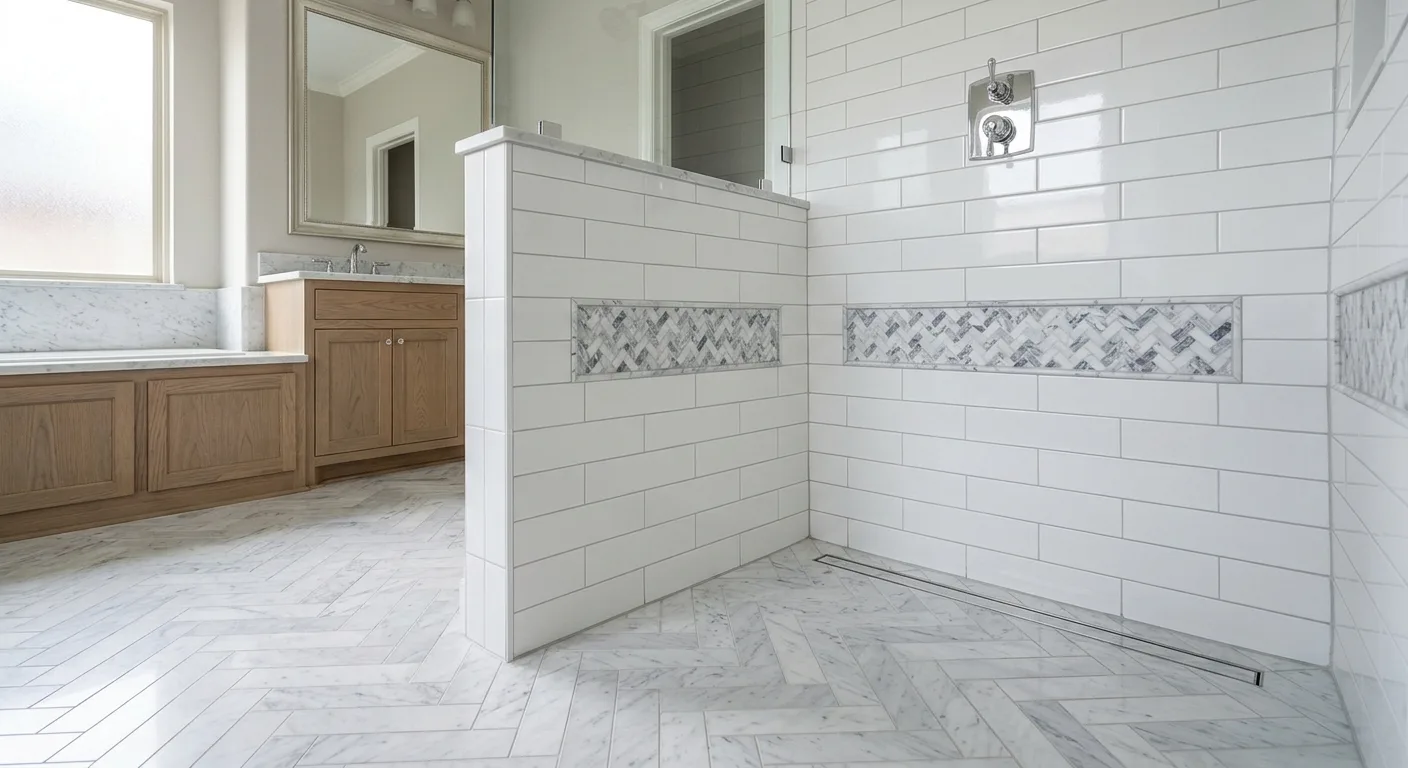
Travertine, slate, and marble each have their own absorption rates and sealing requirements. Beautiful, but they need more maintenance in Fort Worth's hard water environment. Quincey seals every natural stone install on the job.
Glazed vs. Unglazed
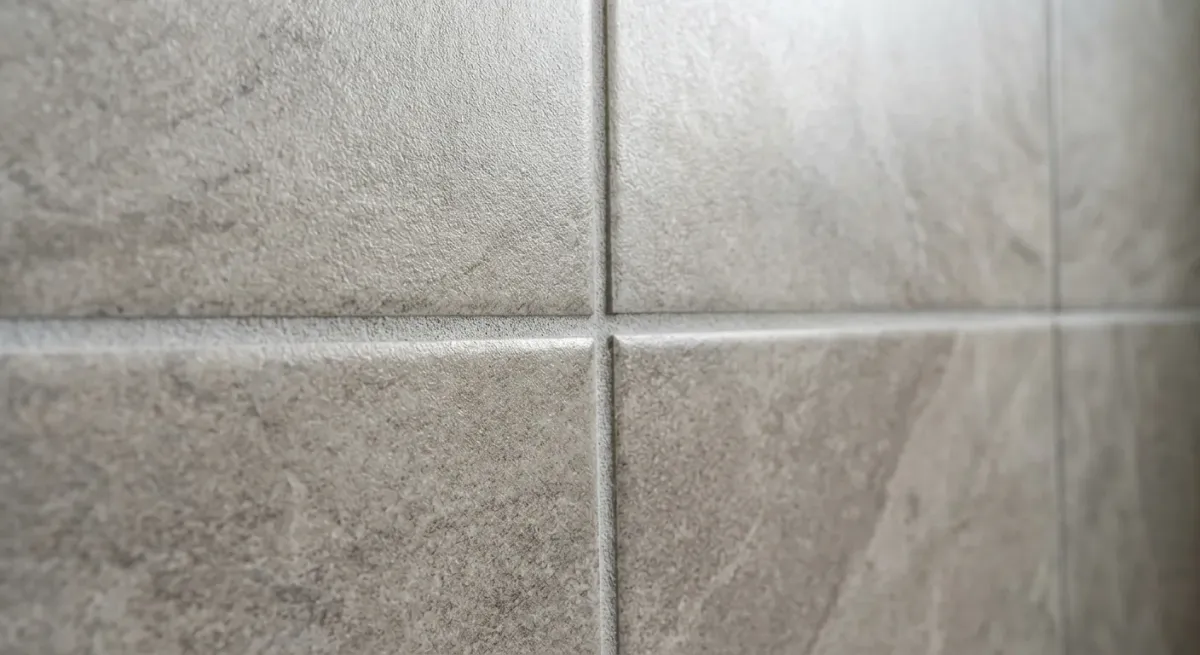
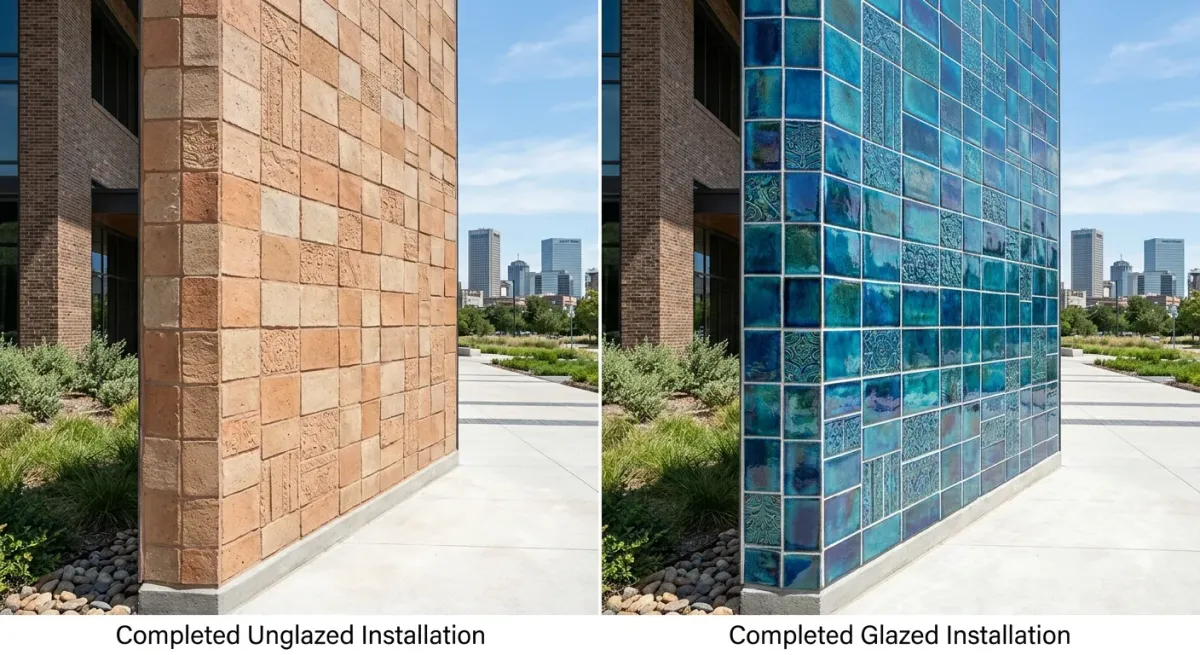
Glazed tile has a baked-on finish that resists staining, right for walls and counters. Unglazed tile is rougher, grips better underfoot, and belongs on shower floors and outdoor areas where slip resistance matters.
Floor Tile
Pairs naturally with flooring installation work, Quincey handles both so transitions between tile and hardwood or LVP are planned from the start, not patched afterward.
Shower and Wall Tile
Wall tile in a shower needs proper backing board, not standard drywall. Quincey preps the substrate correctly before the first tile goes up, because that's the step most DIY shower jobs skip and later regret.
The Process
How a Tile Installation Actually Goes
Knowing the sequence helps you understand why each phase takes the time it does.
Substrate and Surface Prep
Quincey checks the existing floor or wall surface for level, structural soundness, and moisture. Wet areas get cement board or a waterproofing membrane. Not drywall. This is where most failed tile jobs went wrong.
Layout, Setting, and Grouting
Tile gets dry-laid first to confirm the pattern and avoid slivers at edges. Then mortar is applied, tiles are set with proper coverage, spacers hold grout lines consistent, and the whole surface cures before grouting begins.
Sealing and Final Inspection
Grout gets sealed, especially on natural stone and in shower areas. Fort Worth's hard water leaves deposits in unsealed grout fast. The job isn't done until the edges, transitions, and caulk lines look clean.
Shower Tile Needs More Prep Than Most Rooms
What We Don't Do
Honest Limits and When to Call Quincey First
Quincey doesn't oversell the scope of a job. If a repair is what's needed, that's the recommendation.
- Tile over tile, only when conditions allow
- It can work if the existing tile is fully bonded, the floor height increase won't cause problems, and the substrate is solid. If those conditions aren't met, the old tile comes up.
- No plumbing work
- Tile installation and shower surrounds, yes. Relocating drains or supply lines, no. Quincey works around existing plumbing, not through it.
- No shortcuts on wet-area waterproofing
- If a job calls for a waterproof membrane behind the tile, it gets one. Skipping it to save material cost is not an option Quincey offers.
- Direct contact, every time
- You call [(347) 805-7246](tel:+13478057246), Quincey picks up. No dispatch, no estimator who disappears before the job starts.
Common Questions About Tile Work in Fort Worth
Not answered here?Ask Quincey: (347) 805-7246
What is the difference between glazed and unglazed tile, and which should I choose?
Can you tile directly on drywall in a shower, or does it need a backing board?
Can you tile over existing tile, and when does it actually make sense?
What tiles should not be used in a shower?
How does Fort Worth's hard water affect tile and grout?
What should go on shower walls before tiling to prevent water damage?
In the field
A look at our work

Ready to Schedule Your Tile Installation?
Call Quincey directly to talk through the job and get on the schedule.
Next step
Tell us about the job
Your name, your number and what needs doing. A person from DreamHouse Handyman gets back to you.
Rather talk now?(347) 805-7246